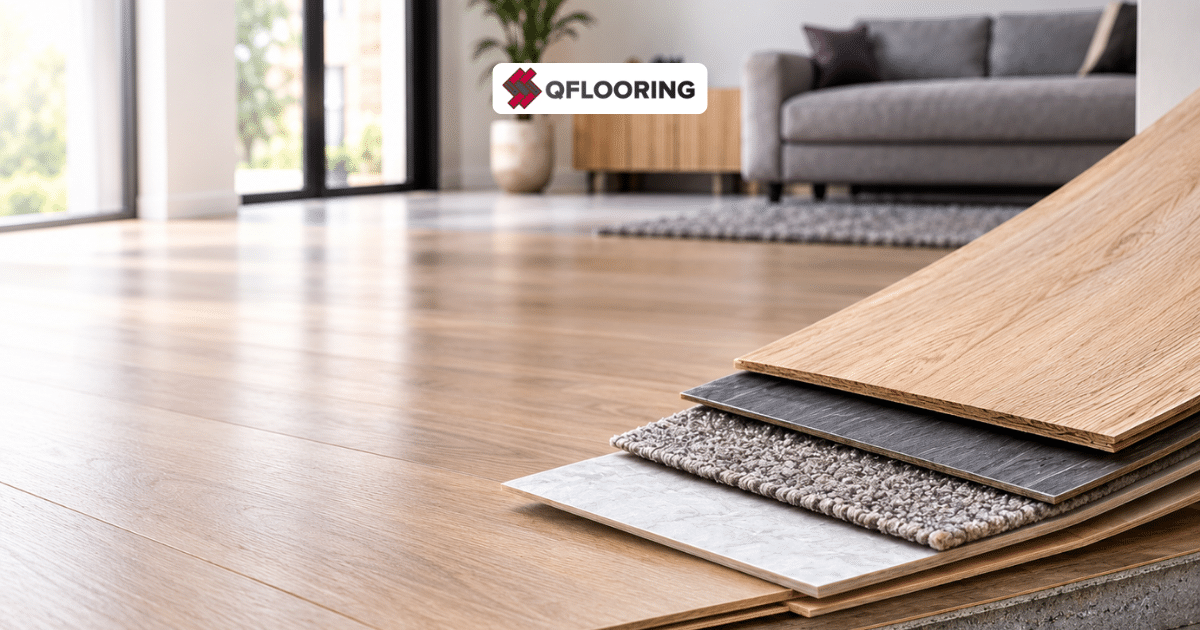

SPC VS WPC Luxury Vinyl Flooring
While searching for the perfect vinyl flooring, you’ve probably come across the terms SPC and WPC. Wanting to learn the differences and compare SPC vs WPC vinyl? You’re in the right place.
Both options are known for being 100% waterproof. SPC vinyl is a newer product with a signature rigid core that is virtually indestructible. WPC vinyl has been the gold standard for vinyl flooring and features a waterproof core that’s comfortable as well as functional.
In this head-to-head showdown, discover the pros and cons of SPC and WPC, learn how they’re made, and even compare the cost, durability, and comfort.
What is SPC Vinyl Flooring?
Rigid core vinyl flooring, also known as SPC flooring, is the most durable waterproof vinyl flooring option on the market. It has a similar construction to WPC, but it comes with an ultra-tough core, which is where the name “rigid core” comes from.
So what does SPC stand for? As it turns out, it stands for a couple of terms that are used interchangeably: stone plastic composite or stone polymer composite. It refers to the make-up of the core. The SPC core is what makes this flooring so incredibly durable, maintaining its form even over uneven subfloors.
That means you can install SPC luxury vinyl flooring on any level, over almost any existing (hard surface) subfloor and for any amount of traffic.
SPC Structure
The general wisdom used to be that thicker vinyl flooring was better. But with rigid core vinyl, overall thickness matters far less than it used to, because the dense core does most of the work.
Manufacturers have created an ultra-thin, super-durable option. Rigid core luxury vinyl planks and tiles are typically around 4mm to 6mm thick.
Just looking at the flooring, you might think it’s too thin to hold up to anything, but try giving it a bend. It’s really tough to make it budge.
So what is giving this thin plank such heavy-duty performance? It’s the layered construction. SPC luxury vinyl flooring is typically composed of four layers, but this can vary between manufacturers.
Let’s find out what you can expect from SPC layers:
- Backing layer: This is the solid foundation of your plank. Often, the backing will also come with a pre-attached underlayment.
- SPC core: SPC flooring contains a solid, waterproof core that won’t ripple or swell when it gets wet. This core is ultra-dense with no foaming agents, unlike traditional WPC flooring.
- Printed vinyl layer: This layer features hyper-realistic photo imagery that makes the vinyl look so much like stone and wood.
- Wear layer: The wear layer is like the bodyguard of the plank; it protects your floor from wear and tear. In the case of wear layers, thicker still means better.
Pros of Luxury Vinyl Flooring
- Waterproof: This is what makes both rigid core and WPC vinyl so popular. It’s perfect for business owners, pets and water-prone areas.
- Great for uneven subfloors: Rigid core can be installed over most existing hard surfaces, including tile, and copes well with minor imperfections as long as the subfloor is reasonably flat.
- Ultra-durable: That SPC core makes this one of the most durable vinyl flooring options available.
- Realistic wood and stone looks: Top-end vinyl floors mimic natural materials better than ever before, and SPC designs are usually incredibly convincing and beautiful.
- Low-maintenance: Keeping your floor looking fabulous is so simple. Occasionally vacuum and mop, and you’re all set.
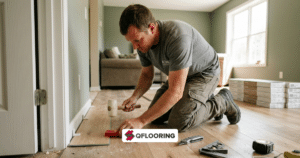
- Easy installation: Rigid core luxury vinyl tiles and planks are easy to install yourself, with most options interlocking and floating over your existing surface. Our guide on how to fit vinyl flooring walks you through it.
Cons of Luxury Vinyl Flooring
- Less comfortable than WPC: Manufacturers designed rigid core vinyl to be sturdy, not comfortable. That’s why it’s so popular in commercial environments.
- Colder than WPC: That stone composite core doesn’t hold a lot of heat, so you’re going to have some chilly floors when it’s cold out.
What is WPC Vinyl Flooring?
WPC vinyl flooring is best known for its waterproof core. It is luxury vinyl flooring amped up a notch, with a special core that makes it suitable for most rooms in the house, including kitchens and bathrooms.
WPC stands for wood-plastic composite, which makes up the core. The WPC core is enhanced with a foaming agent, making it slightly softer and more comfortable underfoot in addition to being waterproof.
WPC Structure

This flooring is hugely popular with homeowners who want the look of traditional hardwood without the upkeep. It’s beautiful and low maintenance, and it’s easy to install, which makes it a great option for confident DIYers. It’s also used in some light commercial spaces.
WPC waterproof flooring is typically composed of four layers, but that can vary between manufacturers. In general, here’s what you can expect to find:
- Backing layer: This is the bottom layer of your plank. It provides a sturdy base, and sometimes comes with an attached underlayment for added convenience.
- WPC core: This is the heart of the plank. The core is waterproof, so it won’t swell or warp when it gets wet, and the foaming agent gives it a softer, more comfortable feel underfoot.
- Printed vinyl layer: This layer features the gorgeous photo imagery of wood or stone that makes vinyl so popular as an alternative to natural materials.
- Wear layer: This layer protects your floor’s surface from the wear and tear of everyday life. The thicker the wear layer, the better that protection.
Pros of WPC Vinyl Flooring
- Waterproof core: WPC is designed to withstand moisture and resist water damage, which makes it a good choice for kitchens, bathrooms and utility rooms.
- Comfort: SPC and tile are also waterproof, but they’re hard underfoot, and standing on a hard floor all day isn’t great for your joints or feet. WPC is more resilient, so it feels noticeably more comfortable.
- Style: Luxury vinyl comes in highly sought-after wood-look and stone-look designs, so you get the look of natural materials without the upkeep.
- DIY installation: If you like doing things on your own, WPC is easy to install. Many ranges come with interlocking tongue-and-groove systems that float over your existing floor.
- Low-maintenance: With the occasional sweep and mop, you can keep your floor looking good for years.
Cons of WPC Vinyl Flooring
- More likely to dent: Compared to SPC rigid core vinyl, WPC isn’t quite as durable. That slightly softer core is more comfortable, but it’s also more likely to dent if you drop something heavy.
- Can cost slightly more: WPC is often priced a little higher than SPC, although prices vary between ranges and are coming down as more brands launch their own WPC lines. It’s still usually cheaper than solid hardwood, and it needs far less looking after.
What is the difference between SPC and WPC?
So what is the difference between SPC rigid core and WPC waterproof vinyl? The answer lies in their different cores.
- The core is the key for both. A WPC core is made from wood-plastic composite, with an added foaming agent to increase resilience and comfort.
- SPC is stiffer. An SPC core is made from stone plastic composite. The stone makes it harder and stiffer, with less give underfoot. There’s no foaming agent, which gives it a denser, more robust core.
- SPC suits heavy traffic. Because SPC is so tough and rigid, it’s often used in high-traffic commercial spaces. The rigid core also makes it more resistant to dents, which is a plus in areas with heavy furniture or lots of footfall.
- Think of it like carpet. WPC flooring is like a plush, comfortable home carpet, while SPC rigid core is more like a commercial carpet. One is more comfortable, the other is more durable, and both do their jobs really well.
Now that you know the basics of SPC and WPC and how their cores differ, here’s how the two compare side by side.